You must choose lightweight wire mesh cold storage shelving if temperature at or below 0°C, or a humid environment.
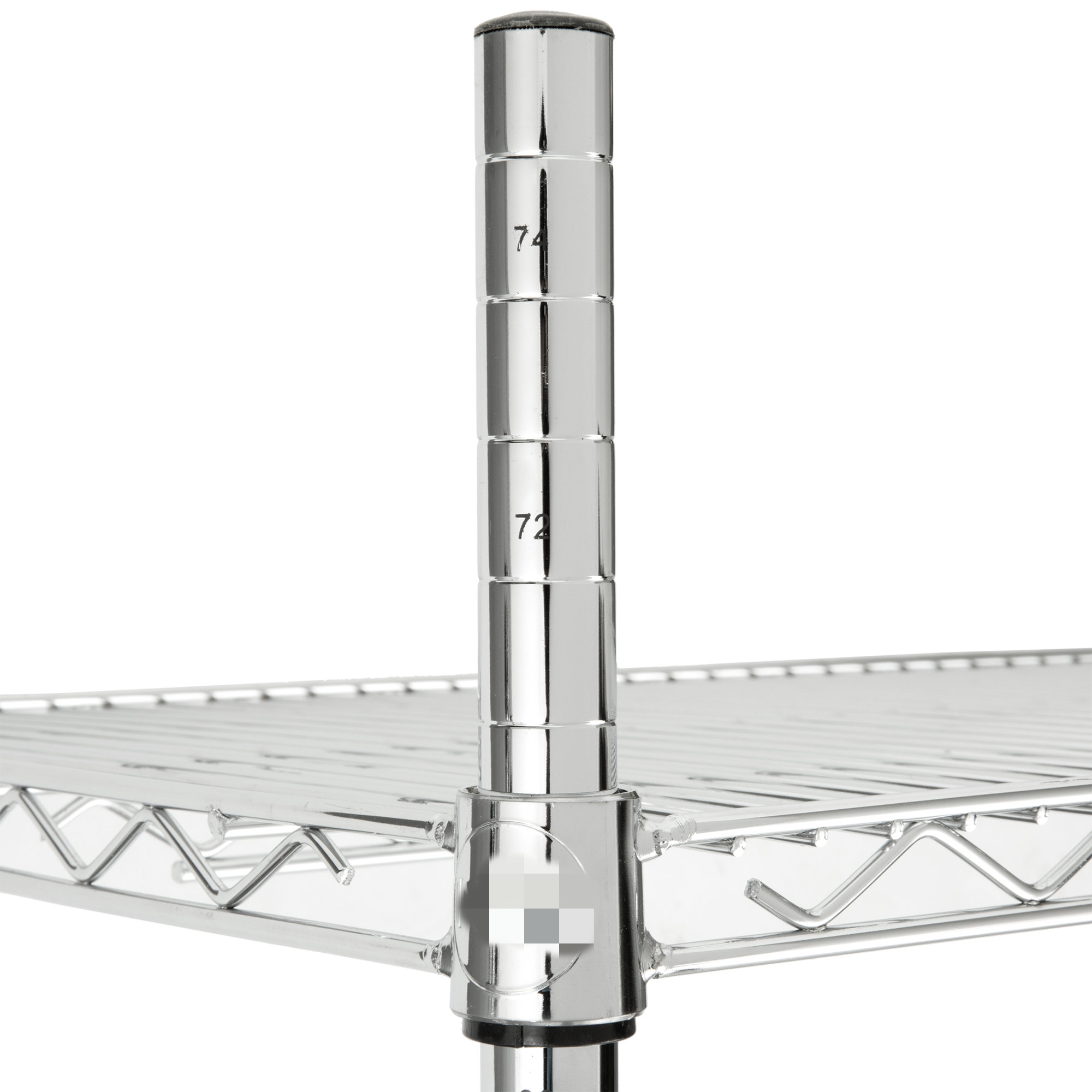
Lightweight wire mesh cold storage shelving is a specialized shelving system designed for the low-temperature, high-humidity, and high hygiene requirements of cold storage. It differs significantly from shelving for ordinary environments in terms of material, structure, design, and function.
Design Purpose:Optimized for cold storage environments.
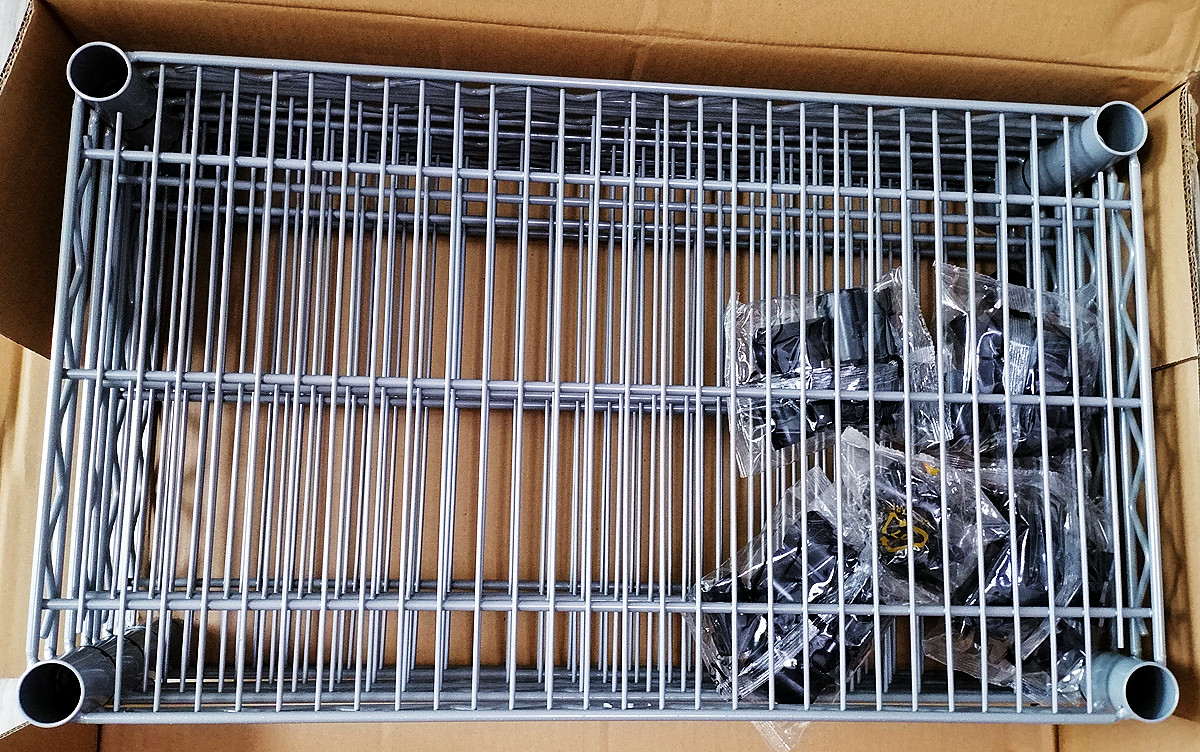
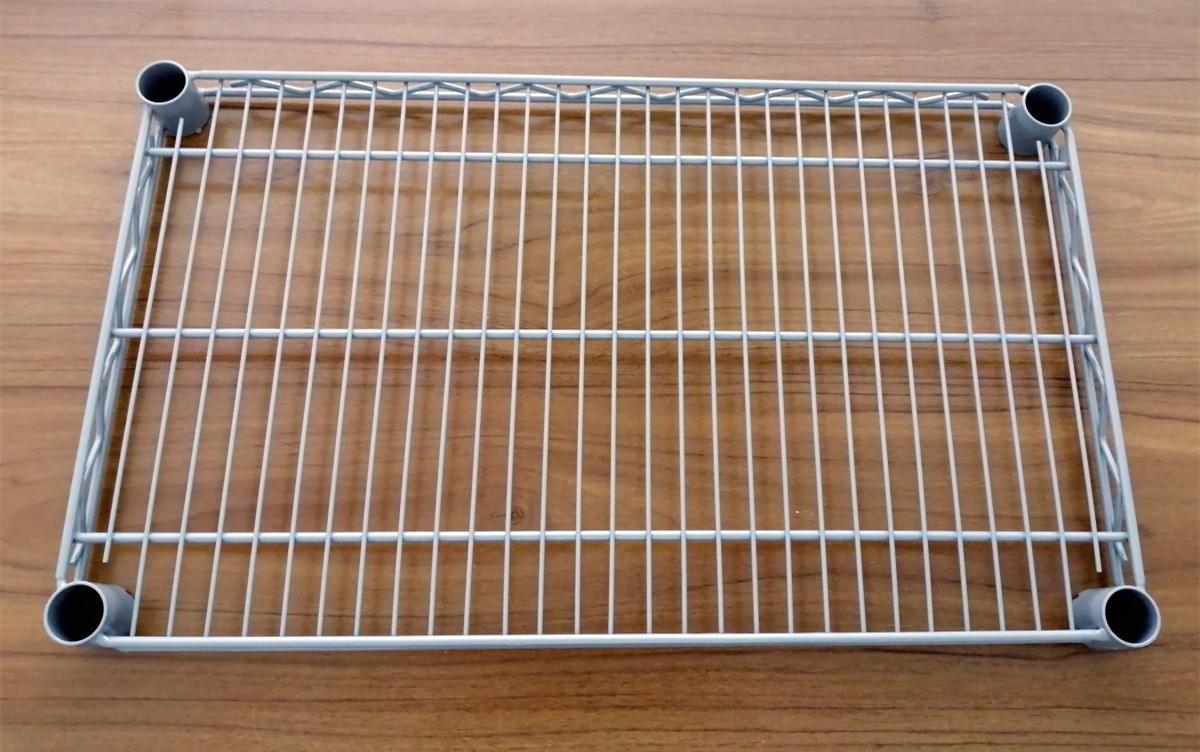
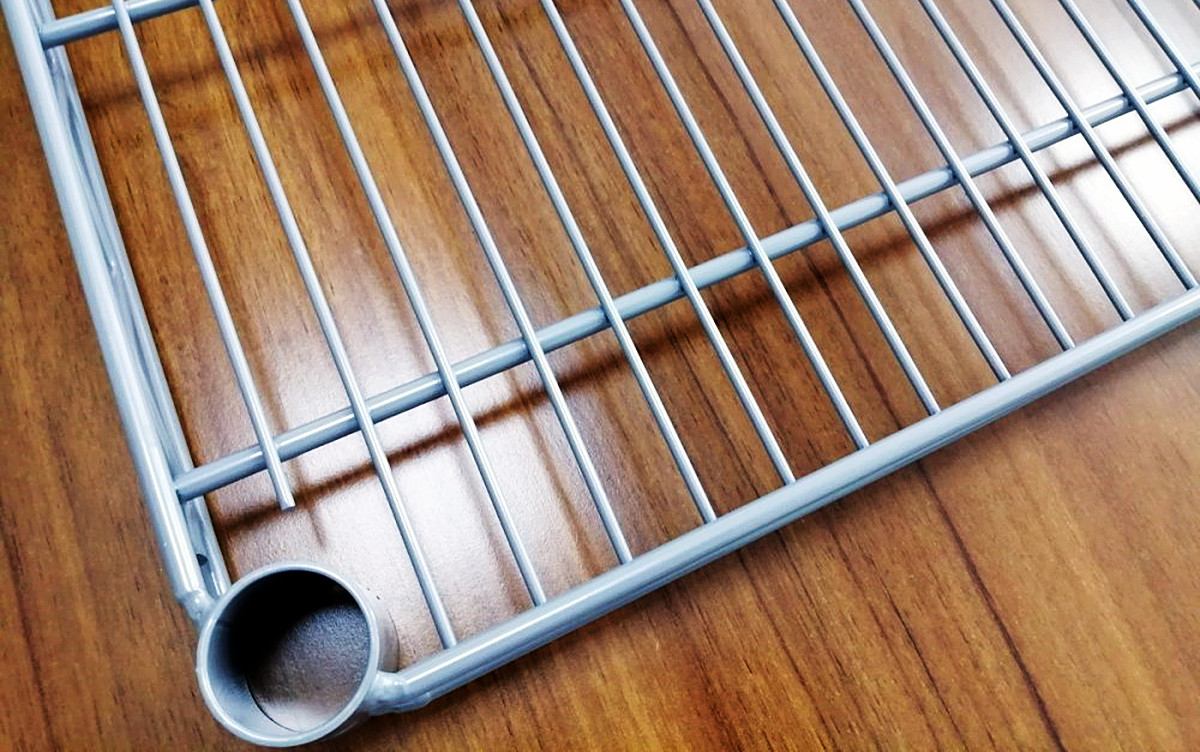
Structural Design: Open wire mesh structure.
Application: Freezers, cold rooms, humid environments, food/pharmaceutical processing areas.
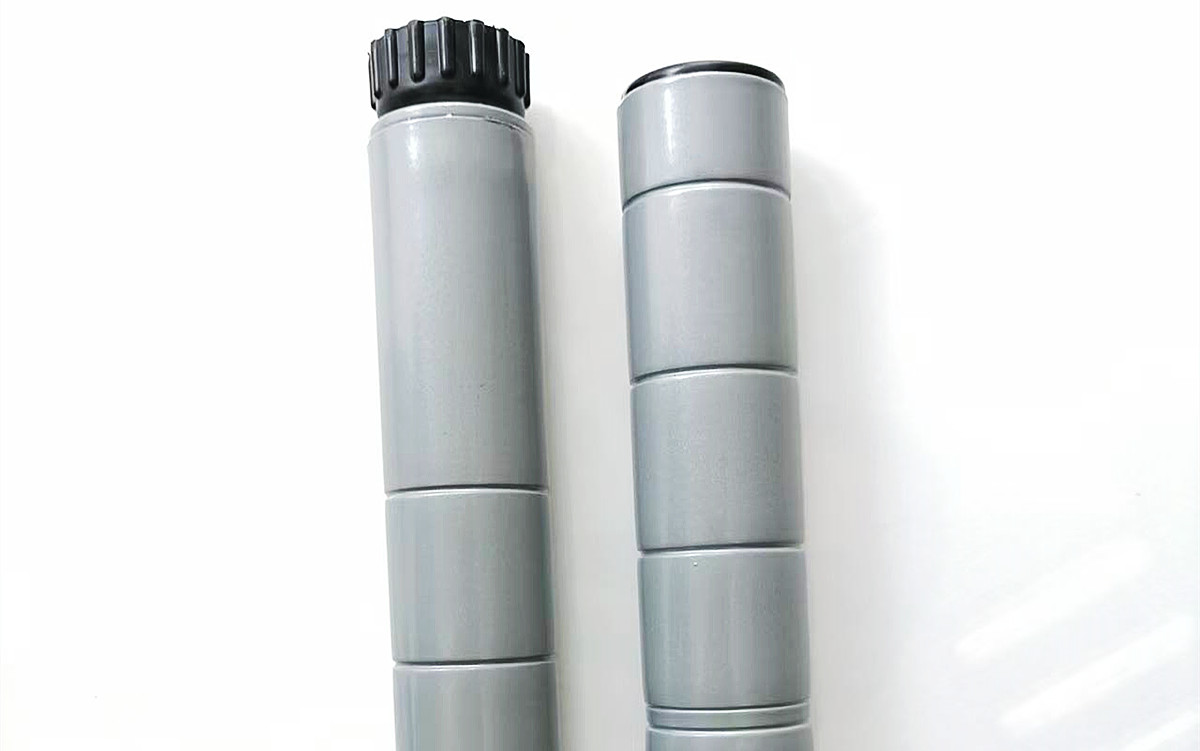
Material & Surface Treatment:Typically made of Stainless Steel (e.g., 304) or Carbon Steel with Heavy-Duty Zinc Plating. Extremely high corrosion resistance.
Size: custom made
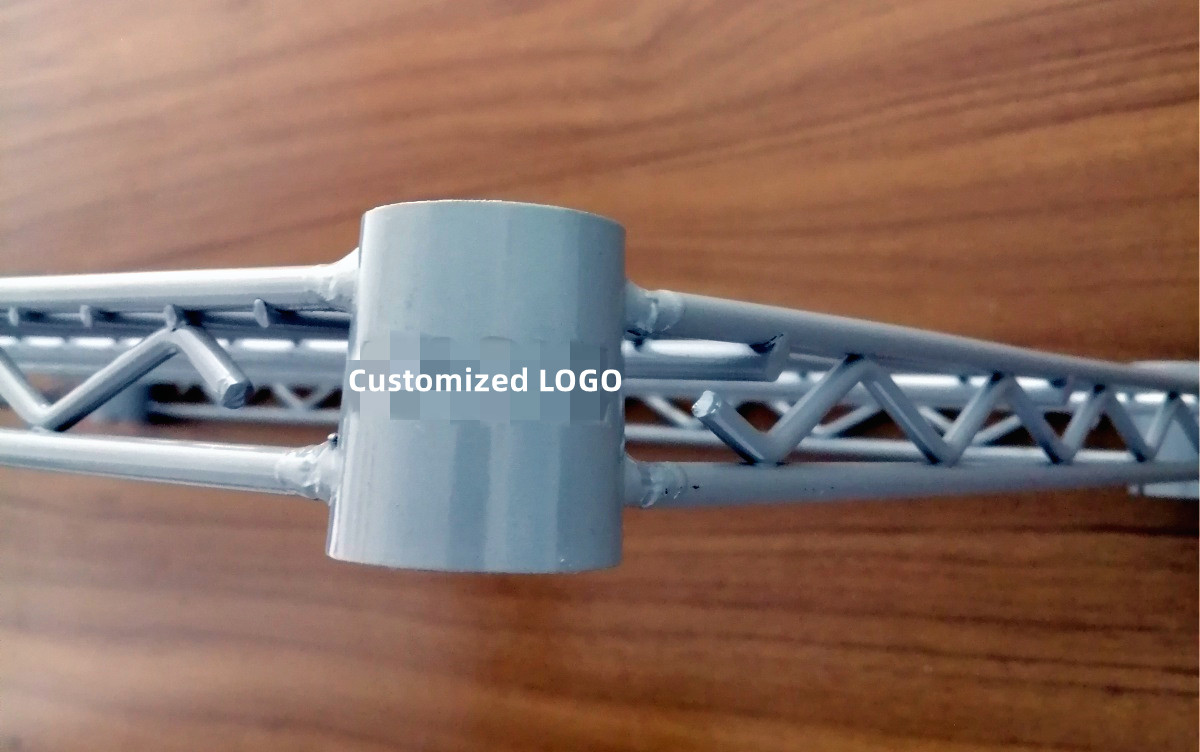
Logo: customizable
Maximum loading: Single layer 200KG; 500KG in total
Wheels for shelving: two universal wheels, two wheels with brakes
Why use a Wire Mesh Structure?
Promotes Cold Air Circulation: Cold rooms rely on forced-air evaporator units to cool. Solid shelves act like a wall, blocking airflow and creating dead zones behind and underneath the shelving, leading to uneven temperatures and increased compressor workload. The mesh structure allows cold air to pass through 360° without obstruction, ensuring uniform temperature, saving energy, and preserving product quality.
Prevents Frost and Ice Buildup: In low temperatures, moisture in the air condenses into frost. Solid shelves can accumulate thick layers of ice, while the mesh design minimizes the surface area for frost formation and reduces ice load.
Easy Cleaning: In food storage, hygiene is critical. Wire racks have no dead angles and can be cleaned directly with a high-pressure hose, drying quickly to prevent bacterial growth.
Why are Material Requirements so High?
A cold room is an extreme environment of high humidity, low temperature, and frequent defrosting cycles. Standard powder-coated shelving will quickly blister and rust.
Therefore, you must use: Stainless Steel: The best choice, especially Grade 304 for food applications, offering superior corrosion resistance and the longest lifespan.
Heavy-Duty Zinc Plating: A more cost-effective alternative, but the zinc coating must be thick enough (e.g., 80μm+) to provide effective protection.
If the budget is sufficient, 304 stainless steel is a better choice