
 Español
 Русский
 Árabe
 日本語
 한국어
 Dansk
 Nederlands
 Italiano
 Português
 Türkçe
 Deutsch
 Français
 Prancis
 ไทย
 Tiếng Việt
 हिंदी
 বাংলা


Why Does PVC Film Turn White
Why Does PVC Film Turn White? Causes of Plasticizer Migration and How to Prevent It
PVC film is widely used in industrial, commercial, and everyday applications because of its flexibility, transparency, and versatility. However, some buyers encounter an unexpected problem: a PVC film that initially looks clear and smooth gradually develops a white or cloudy appearance after several months of use.
Recently, we received feedback from a customer who experienced this issue with PVC film purchased from another supplier. After approximately six months, the film began showing visible whitening, affecting its original appearance and overall product quality.
One possible cause is additive migration or exudation, a phenomenon that can occur when certain ingredients in flexible PVC move toward the material surface over time.
So, why does PVC film turn white? What causes this problem, and how can buyers avoid it when selecting a PVC film manufacturer?
1. What Causes PVC Film to Turn White?
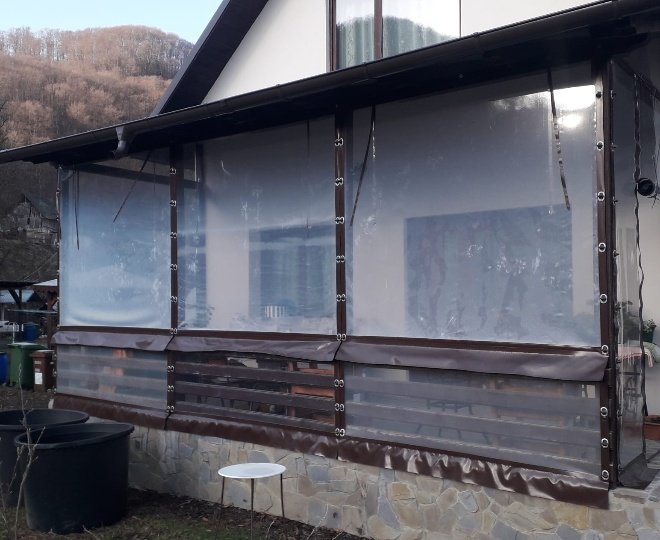
One common reason for PVC film whitening is the migration and accumulation of formulation ingredients on the surface.
Flexible PVC is made by combining PVC resin with plasticizers, stabilizers, lubricants, and other additives. These ingredients work together to achieve the required flexibility, transparency, processing performance, and durability.
However, if certain additives are not sufficiently compatible with the PVC formulation, they may gradually move toward the surface during storage or use.
This phenomenon is commonly known as exudation or blooming.
When the migrated ingredients accumulate on the surface, the film may develop:
A white or cloudy appearance
A dull or uneven surface
A powdery, oily, or slightly sticky feeling
Reduced transparency and visual clarity
Changes in surface characteristics over time
In some cases, the problem may not become noticeable immediately after production. Instead, it gradually appears after several months, making it particularly difficult for buyers to identify during initial product inspection.
2. Why Does Additive Migration Happen in PVC Film?
PVC film whitening is not always caused by a single factor. Several aspects of material formulation and manufacturing can contribute to the problem.
1. Poor Compatibility Between Plasticizers and PVC Resin
Plasticizers are essential for producing flexible PVC film. They reduce the rigidity of PVC and give the material the flexibility required for different applications.
However, if the selected plasticizer system is not sufficiently compatible with the PVC formulation, some ingredients may gradually migrate toward the surface.
2. Improper Additive Proportions
The amount of plasticizer and other processing additives needs to be carefully balanced.
An unsuitable formulation may increase the possibility of surface exudation, especially after prolonged storage or exposure to elevated temperatures.
3. Inconsistent Raw Material Quality
The quality and consistency of raw materials are important starting points for producing stable PVC film.
Uncontrolled material sources and inconsistent formulation components can make it more difficult to maintain uniform product performance between batches.
4. Processing and Storage Conditions
Manufacturing temperature, processing conditions, storage temperature, compression, and contact with other materials can also influence additive migration.
For this reason, preventing PVC film whitening requires attention to the entire production process rather than simply checking the film's appearance immediately after manufacturing.
It is worth noting that other problems, such as moisture-related surface deposits, contamination, and mechanical stress whitening, may also produce a similar appearance. The actual cause should be confirmed through material inspection and appropriate testing.
3. Why Is 100% Virgin Material Important for PVC Film Quality?
Raw material selection plays an important role in determining the consistency and long-term performance of flexible PVC products.
Some manufacturers may use recycled PVC materials or uncontrolled material sources to reduce production costs. However, recycled materials can introduce variations in polymer composition, previous additives, contamination, and processing history.
These variations may make formulation control and batch consistency more challenging.
At Qingdao CONET, we insist on using 100% virgin raw materials and do not use recycled PVC materials in our products.
This approach provides several advantages:
More consistent raw material composition
Better control over product formulations
More predictable processing performance
Improved batch-to-batch consistency
A more reliable foundation for long-term product quality
For transparent PVC film, material consistency is particularly important because even relatively small changes in formulation or surface condition can affect the final appearance.
However, virgin raw materials alone do not guarantee that migration will never occur. A properly balanced formulation, suitable additive compatibility, and controlled manufacturing conditions are equally important.
This is why CONET combines virgin raw materials with production process control and product testing.
4. How Does CONET Help Prevent PVC Film Whitening?
At CONET, we understand that customers need PVC film that maintains its appearance and performance beyond the initial delivery inspection.
Our manufacturing approach focuses on material selection, formulation control, and quality testing.
100% Virgin Raw Materialshttps://www.conetplastic.com/quality-control.html
We refuse to use recycled PVC materials. All our PVC products are manufactured using new raw materials to provide a consistent foundation for product quality.
More Than 95% Production Automation
Our production facilities are equipped with advanced automated machinery, with an automation rate exceeding 95%.
This helps us maintain better control over important product specifications, including thickness, width, and length, while improving production consistency.
Independent Quality Testing Laboratory
We operate our own laboratory to monitor important physical properties of PVC products.
Our testing includes:
Hardness testing
Tensile strength testing
Tear strength testing
Aging resistance testing
Other relevant physical performance inspections
For customers with specific requirements, relevant test reports can be provided before shipment.
SGS Cooperation and Product Compliance
We cooperate with SGS for product testing and certification. We also maintain relevant REACH and other compliance documentation according to applicable product requirements.
Together, these measures help us maintain a more controlled manufacturing process and provide customers with greater confidence in their PVC film purchases.
5. How to Choose PVC Film That Will Not Turn White Easily?
When purchasing flexible PVC film, buyers should look beyond the initial transparency and surface appearance.
A film that looks perfectly clear when first delivered may still experience changes after extended storage or use.
Here are several important points to consider when selecting a supplier:
Ask About Raw Material Sources
Find out whether the manufacturer uses virgin or recycled PVC materials and whether raw material sources are consistently controlled.
Request Quality Testing Reports
A reliable manufacturer should be able to provide relevant product testing information, rather than relying entirely on visual inspection.
Choose a Manufacturer with Its Own Production Facilities
Manufacturers with direct control over raw materials, production processes, and quality inspection are generally better positioned to maintain product consistency.
At CONET, we focus on these areas to help customers reduce the risk of quality problems associated with inconsistent materials and uncontrolled production.
Based on our material selection and manufacturing experience, our PVC film is designed to maintain stable appearance and performance for up to three years under normal recommended storage and application conditions.
Actual service life will depend on the specific formulation, environment, and conditions of use.
6. Choose CONET for More Consistent PVC Film Quality
PVC film whitening can be frustrating for distributors, manufacturers, and end users, particularly when the problem appears several months after purchasing the product.https://www.conetplastic.com/product/film.html
For this reason, choosing the right manufacturer is just as important as selecting the correct film thickness, color, or flexibility.
At Qingdao CONET, we combine manufacturing experience with strict raw material selection and quality management to provide flexible PVC film solutions for international customers.
Our advantages include:
100% virgin raw materials without recycled PVC
More than 95% automated production
Independent laboratory and product quality testing
SGS cooperation and relevant compliance documentation
Consistent control over film thickness and dimensions
Different PVC film options, including super clear, polar, colored, printed, and customized films
We believe that good PVC film quality should not be judged only by how it looks on the day of delivery. Its ability to maintain consistent appearance and performance throughout its intended service life is equally important.
Looking for reliable PVC film with consistent transparency and long-term performance? Contact CONET to discuss your requirements and request product samples or relevant quality reports.https://www.conetplastic.com/contact.html
Inquiry Now
If you have any questions or needs about the product, please fill in the following form and we wll contact you as soon as possible.